INDICATION

LUMAKRAS® is indicated for the treatment of adult patients with KRAS G12C-mutated locally advanced or metastatic non-small cell lung cancer (NSCLC), as determined by an FDA-approved test, who have received at least one prior systemic therapy.

This indication is approved under accelerated approval based on overall response rate (ORR) and duration of response (DOR). Continued approval for this indication may be contingent upon verification and description of clinical benefit in a confirmatory trial(s).
Discover support for you and your patients

Icon of a calendar page with "8 days" in bold blue text. The page features teal horizontal lines, suggesting upcoming events. Represents a time frame or countdown.

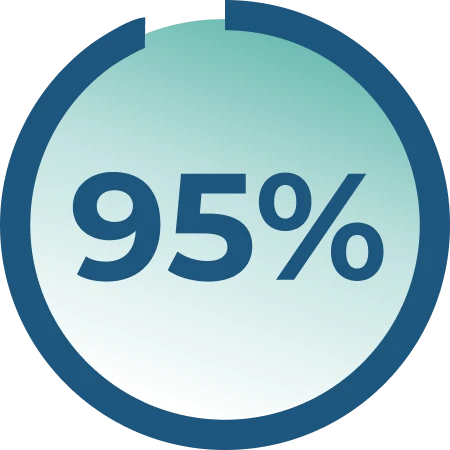
LUMAKRAS® (sotorasib) has established broad coverage, with 95% of patients covered nationally1,*

*Includes 94% commercial, 100% Medicare, 94% managed Medicaid, 97% state Medicaid coverage.1

A light blue circle with "95%" in the center, surrounded by a dark blue ring. The design suggests a progress or completion indicator.

The median time for a patient to receive LUMAKRAS® is ~ 8 days2,†,‡

Based on data from 7 specialty pharmacies that dispensed LUMAKRAS® from January-December 2025.2

The time for a patient to receive LUMAKRAS® ranges from ~ 6-12 days.2

Amgen SupportPlus

Amgen Support

We're right here, right when you need us

Personalized support that you and your patients can count on.

Over 1,000,000 patients have been served by the Amgen SupportPlus programs3

For HCPs

A blue outline of a person wearing a virtual reality headset.

HCP Support Center

Our Amgen SupportPlus Representatives can assist with issues around patient coverage, prior authorizations, co-pay programs, and more.

Benefits verification

  • Verify patient’s insurance plan coverage details
  • Identify if there is a payer-mandated pharmacy for prescription fulfillment

Prior authorization requirements

  • Provide payer-specific prior authorization forms

Amgen SupportPlus customer portal

  • A tool for managing patient benefit corrected QT interval verifications and more
  • Submit, store, and retrieve benefit verifications electronically

A simple blue line icon showing a person with short hair, wearing a suit and tie, next to a briefcase. The icon conveys business professionalism.

Field Reimbursement Specialists

A Reimbursement Specialist can provide coverage and access resources to support your patients.

Contact your Reimbursement Specialist for support that includes:

  • Help with navigating prior authorization, appeals, and fulfillment processes
  • Educating on payer requirements and necessary documentation for individual patient support
  • Guidance on general reimbursement questions, including product coding and billing information
  • Answers to general questions about Amgen SupportPlus programs and other available resources

HCP, healthcare professional.

For your patients

Icon of two outlined hands gently holding a shield. The image conveys protection and security, depicted in a simple, blue line design on a white background.

Financial support

We know every patient has unique needs. And we’re here to provide financial support information and resources, regardless of their current financial situation or the type of insurance they have.

A minimal icon of a credit card, featuring a simple rectangular shape with a blue outline. The image suggests finance or payments.

Co-pay program

The Amgen SupportPlus co-pay program may help eligible patients with private or commercial insurance lower their out-of-pocket costs.

  • Pay as little as $0 out of pocket for each dose
  • Can be applied to deductible, co-insurance, and co-payment*
  • No income eligibility requirement

*Eligibility criteria and program maximums apply. See AmgenSupportPlus.com/Copay for full Terms and Conditions.

IMPORTANT SAFETY INFORMATION

Hepatotoxicity

  • LUMAKRAS® can cause hepatotoxicity and increased ALT or AST which may lead to drug-induced liver injury and hepatitis.
  • In the pooled safety population of NSCLC patients who received single agent LUMAKRAS® 960 mg hepatotoxicity occurred in 27% of patients, of which 16% were Grade ≥ 3. Among patients with hepatotoxicity who required dosage modifications, 64% required treatment with corticosteroids.
  • In this pooled safety population of NSCLC patients who received single agent LUMAKRAS® 960 mg, 17% of patients who received LUMAKRAS® had increased alanine aminotransferase (ALT)/increased aspartate aminotransferase (AST); of which 9% were Grade ≥ 3. The median time to first onset of increased ALT/AST was 6.3 weeks (range: 0.4 to 42). Increased ALT/AST leading to dose interruption or reduction occurred in 9% of patients treated with LUMAKRAS®. LUMAKRAS® was permanently discontinued due to increased ALT/AST in 2.7% of patients. Drug-induced liver injury occurred in 1.6% (all grades) including 1.3% (Grade ≥ 3).
  • In this pooled safety population of NSCLC patients who received single agent LUMAKRAS® 960 mg, a total of 40% patients with recent (≤ 3 months) immunotherapy prior to starting LUMAKRAS® had an event of hepatotoxicity. An event of hepatotoxicity was observed in 18% of patients who started LUMAKRAS® more than 3 months after last dose of immunotherapy and in 17% of those who never received immunotherapy. Regardless of time from prior immunotherapy, 94% of hepatotoxicity events improved or resolved with dosage modification of LUMAKRAS®, with or without corticosteroid treatment.
  • Monitor liver function tests (ALT, AST, alkaline phosphatase, and total bilirubin) prior to the start of LUMAKRAS®, every 3 weeks for the first 3 months of treatment, then once a month or as clinically indicated, with more frequent testing in patients who develop transaminase and/or bilirubin elevations. Withhold, reduce the dose or permanently discontinue LUMAKRAS® based on severity of the adverse reaction. Consider administering systemic corticosteroids for the management of hepatotoxicity.

Interstitial Lung Disease (ILD)/Pneumonitis

  • LUMAKRAS® can cause ILD/pneumonitis that can be fatal.
  • In the pooled safety population of NSCLC patients who received single agent LUMAKRAS® 960 mg ILD/pneumonitis occurred in 2.2% of patients, of which 1.1% were Grade ≥ 3, and 1 case was fatal. The median time to first onset for ILD/pneumonitis was 8.6 weeks (range: 2.1 to 36.7 weeks). LUMAKRAS® was permanently discontinued due to ILD/pneumonitis in 1.3% of LUMAKRAS®-treated patients. Monitor patients for new or worsening pulmonary symptoms indicative of ILD/pneumonitis (e.g., dyspnea, cough, fever). Immediately withhold LUMAKRAS® in patients with suspected ILD/pneumonitis and permanently discontinue LUMAKRAS® if no other potential causes of ILD/pneumonitis are identified.

Most Common Adverse Reactions

  • The most common adverse reactions ≥ 20% were diarrhea, musculoskeletal pain, nausea, fatigue, hepatotoxicity, and cough.

Drug Interactions

  • Advise patients to inform their healthcare provider of all concomitant medications, including prescription medicines, over‑the‑counter drugs, vitamins, dietary and herbal products.
  • Inform patients to avoid proton pump inhibitors and H2 receptor antagonists while taking LUMAKRAS®.
  • If coadministration with an acid-reducing agent cannot be avoided, inform patients to take LUMAKRAS® 4 hours before or 10 hours after a locally acting antacid.

INDICATION

LUMAKRAS® is indicated for the treatment of adult patients with KRAS G12C‑mutated locally advanced or metastatic non‑small cell lung cancer (NSCLC), as determined by an FDA‑approved test, who have received at least one prior systemic therapy.

This indication is approved under accelerated approval based on overall response rate (ORR) and duration of response (DOR). Continued approval for this indication may be contingent upon verification and description of clinical benefit in a confirmatory trial(s).


Please see full LUMAKRAS® Prescribing Information.

IMPORTANT SAFETY INFORMATION

Hepatotoxicity

  • LUMAKRAS® can cause hepatotoxicity and increased ALT or AST which may lead to drug-induced liver injury and hepatitis.
  • In the pooled safety population of NSCLC patients who received single agent LUMAKRAS® 960 mg hepatotoxicity occurred in 27% of patients, of which 16% were Grade ≥ 3. Among patients with hepatotoxicity who required dosage modifications, 64% required treatment with corticosteroids.
Back to top

References: 1. Data on file, Amgen; [Payer Mix]. 2. Data on file, Amgen; [Specialty Pharmacy Turnaround Time]. 3. Data on file, Amgen; [Amgen SupportPlus Hub Metrics].